Everything You Need to Know About Herbal Tinctures

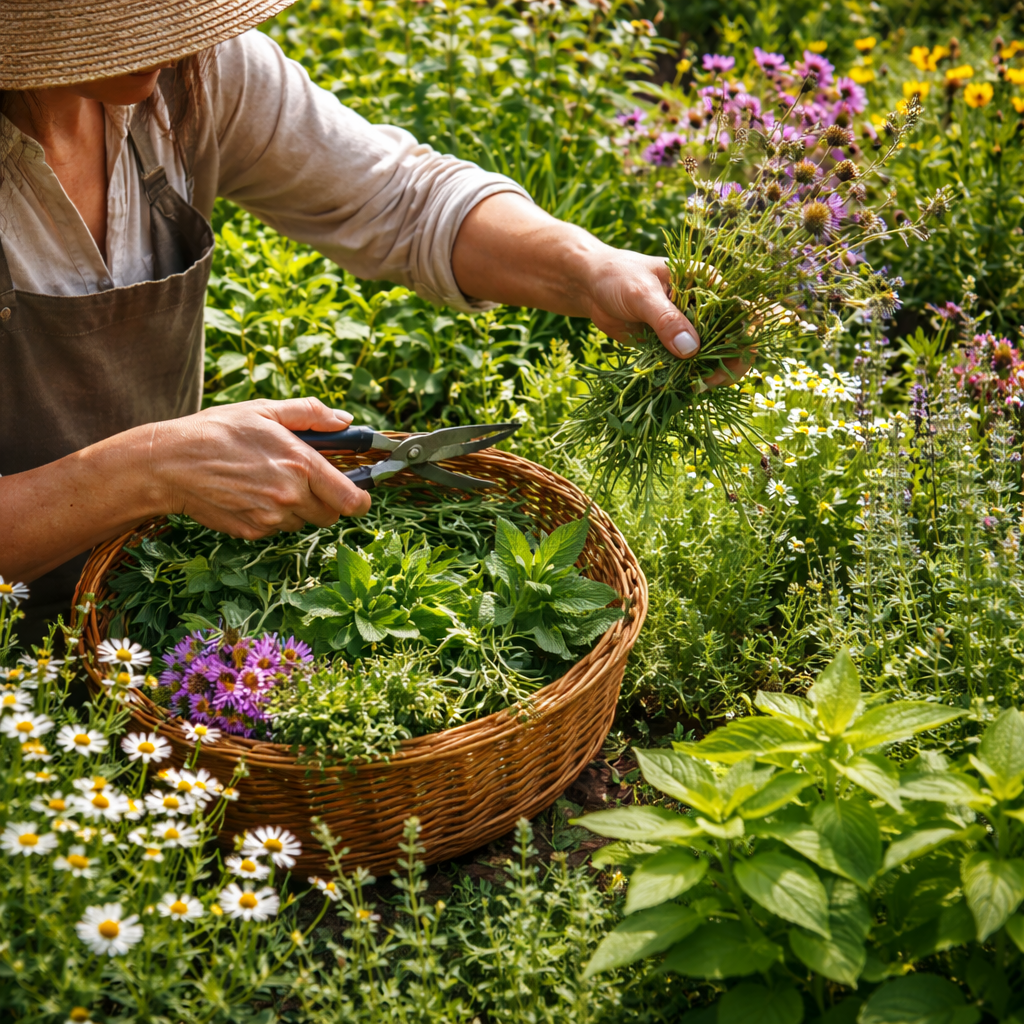
Herbal tinctures are one of the most efficient and time-tested ways to extract and preserve the properties of plants. At their core, tinctures are concentrated liquid extracts made by soaking plant material in a solvent—most commonly alcohol or glycerine—to draw out beneficial compounds. This method has been used for centuries across cultures because it is simple, effective, and produces a preparation with a long shelf life. Unlike teas or infusions, which are made fresh and used quickly, tinctures offer a stable and portable way to work with herbs over extended periods of time.
What a Tincture Actually Is
A tincture is created through a process called maceration, where plant material is submerged in a liquid solvent and left to sit for a period of time. During this process, the solvent breaks down plant cell walls and extracts a wide range of constituents, including alkaloids, glycosides, flavonoids, and volatile compounds. The result is a concentrated liquid that reflects many of the plant’s traditional properties in a shelf-stable form.
Alcohol is the most commonly used solvent because of its ability to extract both water-soluble and alcohol-soluble compounds. It is also naturally antimicrobial, which contributes to its long preservation qualities. Glycerine, a plant-derived sweet liquid, is often used as an alternative for those avoiding alcohol, though it behaves differently in both extraction strength and longevity.
Alcohol vs. Glycerine: Key Differences
The choice between alcohol and glycerine is one of the most important decisions in tincture making, as it directly impacts both effectiveness and shelf life.
Alcohol-based tinctures are generally more potent and more complete in their extraction. They are capable of pulling a broader range of plant compounds, including resins and certain alkaloids that glycerine cannot extract as efficiently. In terms of preservation, alcohol tinctures are extremely stable. When properly prepared and stored, they can last anywhere from 5 to 10 years, and often much longer without significant degradation.
Glycerine-based tinctures, often called glycerites, offer a sweeter taste and are more approachable for those who prefer to avoid alcohol. However, they are not as strong in extraction and tend to favor water-soluble compounds. Their shelf life is also significantly shorter. Most glycerites remain stable for approximately 1 to 3 years, depending on storage conditions and preparation quality. They are also more susceptible to microbial growth if not handled carefully.
How to Make a Tincture
The process of making a tincture is straightforward, requiring only a few basic materials: plant matter, a solvent, and a glass container.
Fresh or dried herbs can be used, though each behaves differently. Fresh herbs contain water, which dilutes the solvent slightly, while dried herbs allow for more controlled extraction. The plant material is chopped or broken down to increase surface area, then placed into a clean glass jar.
The solvent is poured over the herbs until they are fully submerged, leaving some space at the top of the jar. For alcohol tinctures, a neutral spirit such as vodka is commonly used, typically in the range of 40–60% alcohol. The jar is then sealed and stored in a cool, dark place.
Over the next four to six weeks, the mixture should be shaken periodically to keep the plant matter moving and ensure even extraction. After this period, the liquid is strained through cloth or fine mesh, separating the plant material from the finished tincture. The liquid is then transferred into dark glass bottles for storage.
Proper Storage and Longevity
Storage plays a critical role in preserving the quality of a tincture. Light, heat, and air exposure can all contribute to degradation over time.
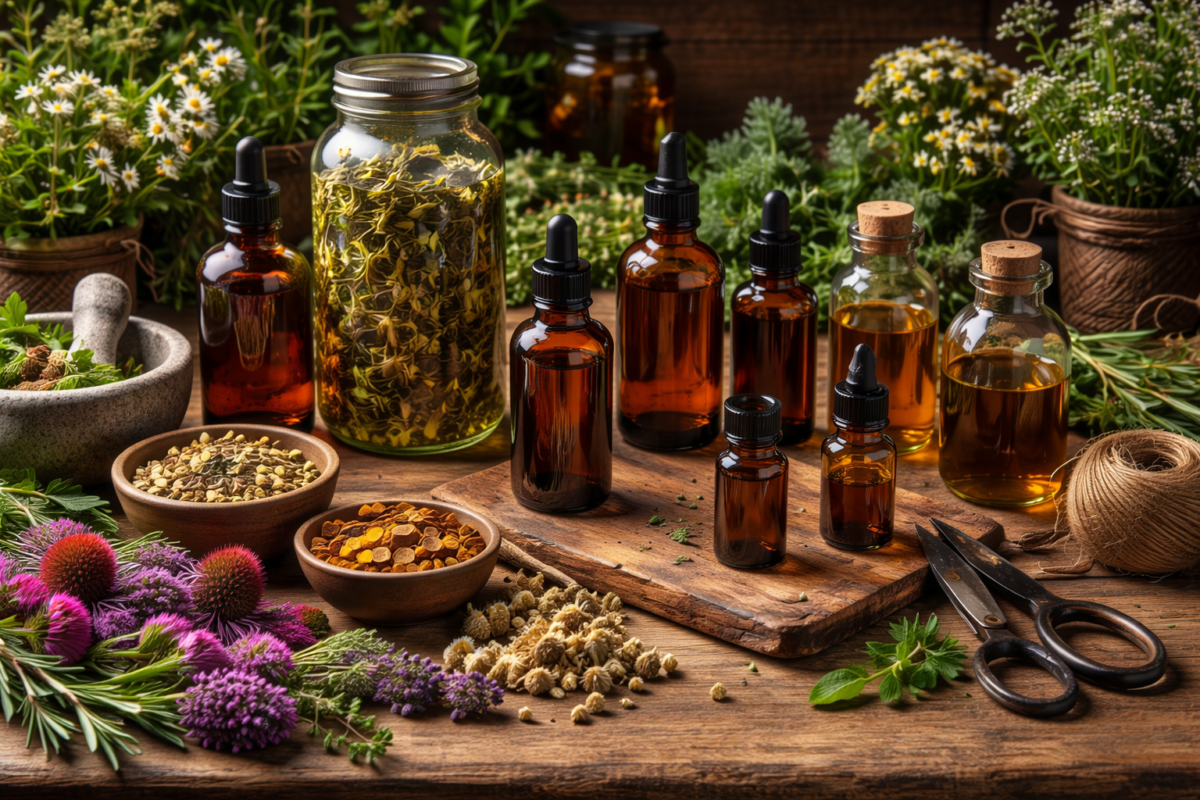
Tinctures should always be stored in dark glass bottles, ideally amber or cobalt, to protect them from light. They should be kept in a cool, consistent environment, away from direct sunlight and temperature fluctuations. Properly sealed containers are essential to prevent evaporation and contamination.
As mentioned earlier, alcohol tinctures have a significantly longer shelf life, often lasting many years with little to no loss in quality. Glycerites, while still useful, require more attention and should be monitored for changes in smell, taste, or appearance over time.
Why Tinctures Remain Relevant
Despite the availability of modern extraction methods and commercial supplements, tinctures continue to hold a strong place in herbal practice. Their simplicity, effectiveness, and longevity make them one of the most practical ways to work with plants. They allow for precise dosing, easy storage, and the ability to preserve herbs well beyond their natural growing season.
There is also a level of control and connection that comes from making tinctures by hand. The process itself reinforces an understanding of the plant, its characteristics, and how it interacts with its environment.
Safety Considerations and Disclaimer
Tinctures are concentrated preparations and should be used with awareness and respect. Not all plants are suitable for tincturing, and some may contain compounds that are not appropriate for certain individuals. Those who are pregnant, nursing, taking medications, or managing health conditions should consult a qualified professional before using herbal preparations. Proper identification of plant material is essential, as misidentification can lead to unintended consequences.
This information is provided for educational and traditional reference purposes only and is not intended to diagnose, treat, cure, or prevent any disease.