Saffron – The Golden Thread of Ancient Fields

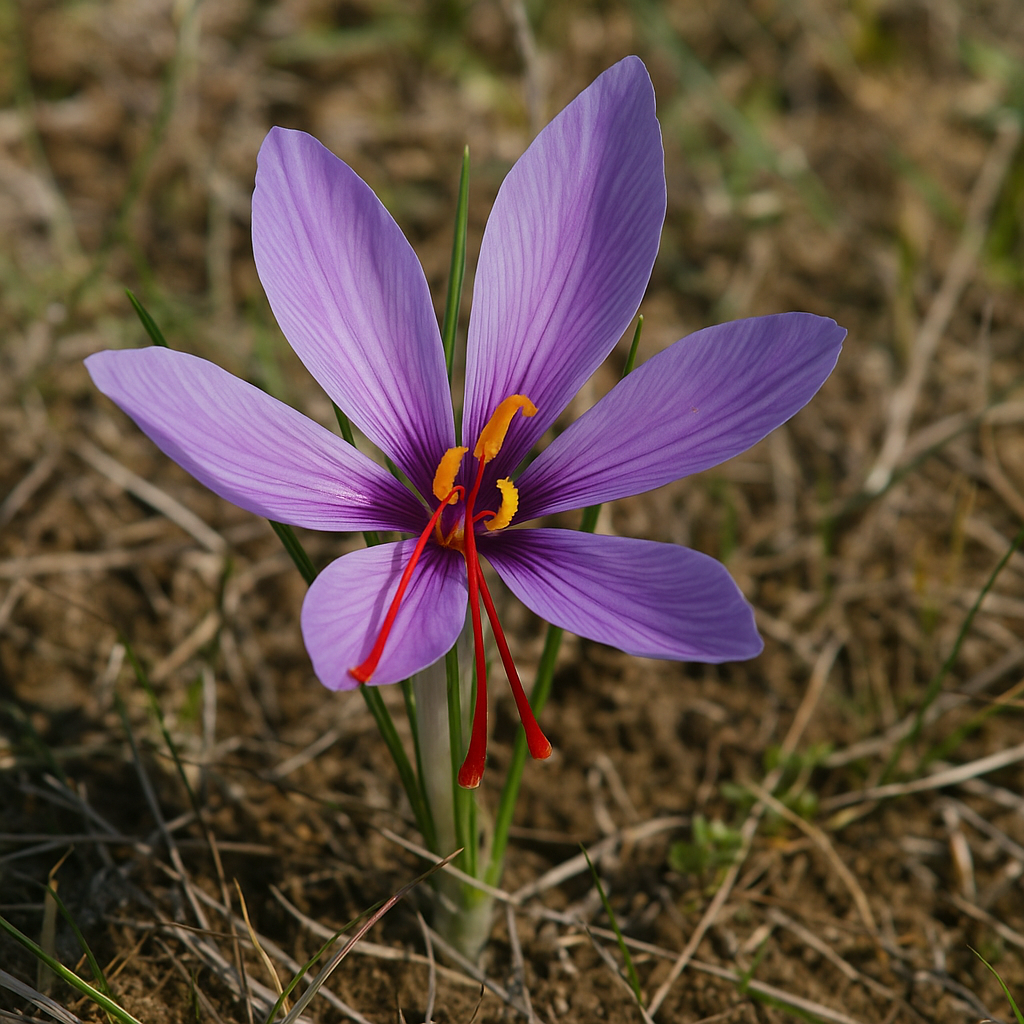
Saffron, known botanically as Crocus sativus, is one of the most distinctive and valuable botanicals in the world. Derived from the delicate crimson stigmas of a small purple crocus flower, saffron is harvested by hand in a process that requires precision and patience. Each flower produces only three threads, making the yield exceptionally low and contributing to its reputation as the most expensive spice by weight. The plant thrives in dry, well-drained soils with full sun exposure, typically grown in regions with hot summers and cool winters. Its blooming period is brief, often lasting only a few weeks in autumn, during which the flowers must be harvested quickly to preserve their quality. The threads themselves carry a rich golden hue when infused, along with a distinctive aroma and slightly bitter, earthy flavor.
Historical Background and Cultural Significance
Saffron has been cultivated and revered for thousands of years, with records tracing its use back to ancient civilizations in Persia, Mesopotamia, and the Mediterranean. It was prized not only as a culinary ingredient but also as a dye, perfume, and symbol of wealth and status. In ancient Greece, saffron was associated with luxury and was used in textiles and ceremonial practices. Roman societies valued it for both its fragrance and its role in rituals, often scattering saffron-infused water in public spaces. Throughout the Middle Ages, saffron remained a highly sought-after commodity, traded along major routes and sometimes valued as highly as gold. Its presence in traditional medicine and cultural practices across Europe, the Middle East, and Asia solidified its role as a plant of both practical and symbolic importance.
Traditional and Modern Herbal Uses
In traditional herbal systems, saffron has been associated with uplifting and balancing properties, often included in preparations intended to support mood and emotional well-being. It has also been historically linked to digestive support and overall vitality. The threads are typically used in very small quantities, infused into teas, broths, or tinctures, where their color and subtle flavor carry through the preparation. In culinary use, saffron remains a prized ingredient in dishes such as rice, stews, and herbal infusions. Modern interest continues to explore its traditional associations, and it is often included in wellness blends that reflect its long-standing use as a gentle, supportive botanical. Its potency means that only minimal amounts are needed, reinforcing both its value and its careful application.
Safety Considerations and Disclaimer
Saffron is a potent botanical and should be used in moderation. Excessive amounts may not be appropriate and can lead to unwanted effects. Individuals who are pregnant, nursing, or managing underlying health conditions should exercise caution and consult a qualified professional before use. As with all botanicals, proper sourcing and identification are essential to ensure quality and safety. This information is provided for educational and traditional reference purposes only and is not intended to diagnose, treat, cure, or prevent any disease.