Gardening by the Moon: A Return to Natural Rhythm

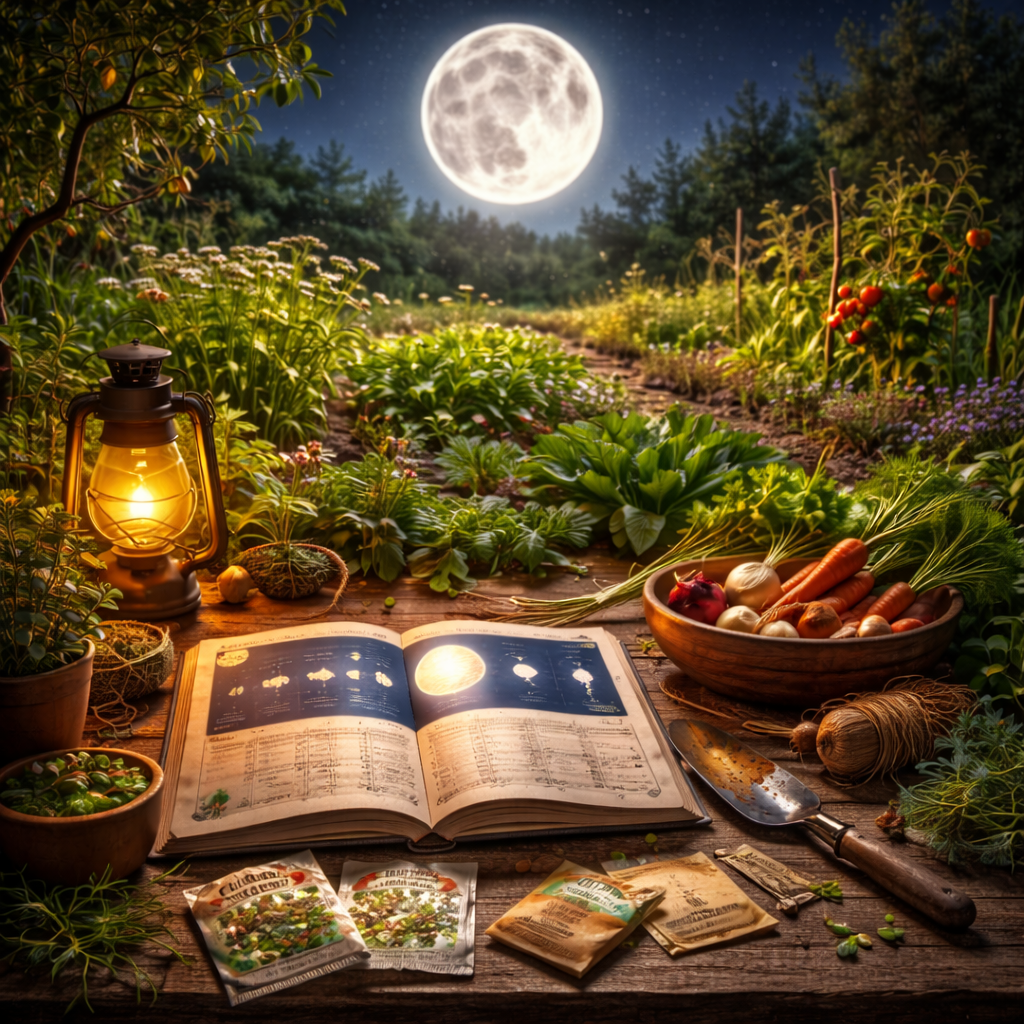
Our modern world is filled with constant change, innovation, and complexity. New technology promises efficiency and solutions at every turn, yet not all of it delivers meaningful results for everyday life. In response, many people are beginning to look backward rather than forward—returning to practices that have stood the test of time. One of those methods is gardening by the moon. It is simple, accessible, and requires no special tools or expertise. Anyone, regardless of experience, can apply it and see meaningful results.
What Is Gardening by the Moon?
Gardening by the moon is a traditional system that uses the phases of the moon to guide planting and garden care. It is important to separate this approach from astrology-based systems that rely on zodiac signs or so-called “best days” for various activities. While those methods are more rooted in belief and interpretation, lunar gardening is based on observable natural forces—specifically, the moon’s gravitational influence on water.
The same force that drives ocean tides also affects moisture within the soil. During certain phases of the moon, water is drawn closer to the surface, creating optimal conditions for seed germination. When seeds are placed in naturally moist soil, they absorb water more efficiently, swell, and begin the germination process with greater success. The result is stronger, healthier plants from the very beginning.
Why the Moon Matters in Plant Growth
Healthy germination depends on one key factor: consistent moisture. Soil that is too dry prevents seeds from activating, while overly saturated soil can lead to rot. The lunar cycle naturally regulates this balance.
During the new moon and full moon, moisture levels in the soil are at their peak. This creates ideal conditions for seeds to take in water and begin growing. As the moon transitions between phases, these moisture levels shift, influencing how plants develop above and below ground.
Even without experience in gardening, the concept is easy to understand. Seeds need moisture, warmth, and light. The moon helps regulate one of those critical components—water—without any intervention from the gardener.
Understanding the Lunar Planting Phases
The lunar cycle is divided into four main phases, each influencing plant growth in different ways. The first half of the cycle is known as the waxing phase, when the moon is increasing in size. During this time, the gravitational pull strengthens and moisture rises toward the surface. This is the primary planting window.
Immediately following the new moon, focus on planting crops that grow above ground. This includes leafy vegetables such as lettuce, cabbage, and broccoli, as well as herbs like basil, parsley, and borage. As the waxing phase progresses toward the full moon, shift to planting crops that produce internal seeds, such as beans, peas, tomatoes, peppers, and squash.
Once the full moon passes, the cycle enters the waning phase. During this period, the gravitational pull weakens and moisture begins to move downward into the soil. This creates the best conditions for root development. Root vegetables such as carrots, beets, potatoes, and onions benefit most from being planted at this time. It is also suitable for perennials and plants grown specifically for their roots.
In the final days before the new moon, it is best to avoid planting altogether. This brief window allows the soil to rest and reset before the next cycle begins.
Working With the Garden After Planting
The waning phase is not just for root planting—it is also the ideal time for maintenance. With moisture drawn deeper into the soil, plants experience less stress when cut or disturbed. Pruning during this time results in less sap loss, helping plants recover more quickly.
Weeding is also most effective during the waning phase. Removing unwanted plants before moisture rises again helps prevent rapid regrowth and spreading. Timing this work correctly can reduce the overall effort needed to maintain a healthy garden.
As the growing season progresses, harvesting should also follow the lunar rhythm. Vegetables are best harvested between the midpoint of the waxing phase and the full moon, when moisture levels are high and produce is at its most full and vibrant. Herbs, particularly those intended for drying, are best harvested just after the full moon. At this point, moisture begins moving downward into the roots, allowing the leaves to dry more efficiently and reducing the risk of spoilage.
Geotropism and the Natural Intelligence of Plants
A broader understanding of plant growth brings us to the concept of geotropism—the way plants respond to gravity. Roots naturally grow downward, following gravitational pull, while stems grow upward, moving against it and toward light. This process happens continuously, regardless of external conditions.
Many assume plants grow only toward sunlight, but in reality, growth is guided by both light and gravity working together. This can be demonstrated by planting a bulb upside down. Even in complete darkness, the plant will reorient itself, sending roots downward and shoots upward, correcting its position without any assistance.
This natural intelligence is a reminder that plants are designed to function in harmony with their environment. By aligning gardening practices with natural forces such as lunar cycles and gravitational responses, it becomes possible to work with nature rather than against it.
A Return to Simplicity
Gardening by the moon is not a complicated system. It is a return to observing patterns that have always existed. There is no need for advanced tools, complex systems, or constant intervention. By understanding how moisture, gravity, and natural cycles influence plant growth, anyone can cultivate a productive and healthy garden.
In a world driven by technology and speed, this approach offers something different—simplicity, consistency, and a deeper connection to the rhythms of the earth.