Echinacea – The Iconic Purple Coneflower of Traditional Herbalism

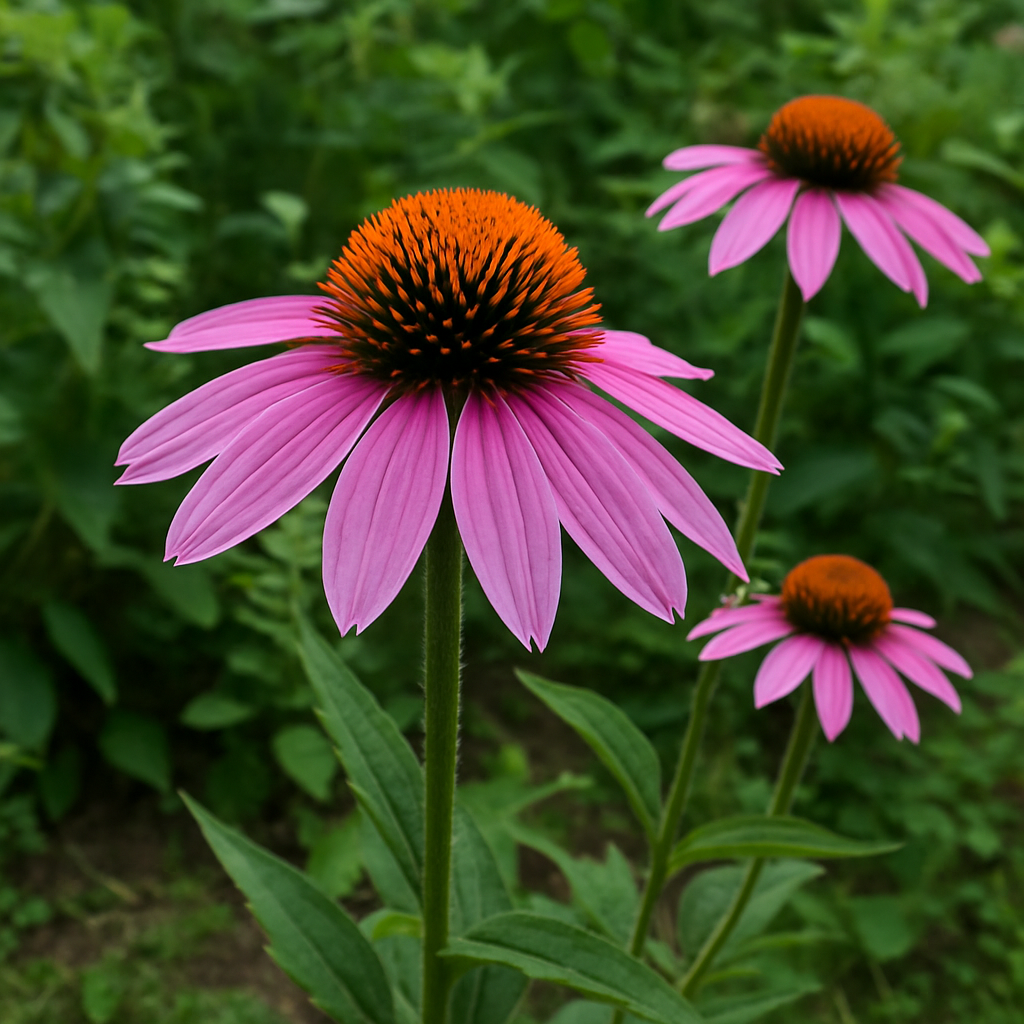
Few North American herbs have achieved the enduring reputation of Echinacea (Echinacea purpurea). Commonly known as the purple coneflower, this striking perennial is native to the central and eastern regions of the United States, where it thrives in open prairies, meadows, and well-drained soils. Its vibrant purple petals and distinctive spiny central cone make it one of the most recognizable medicinal plants in both ornamental gardens and traditional herbal collections.
Long before it gained international popularity, echinacea was highly respected by numerous Indigenous peoples of North America. Tribes including the Plains nations traditionally prepared the root, leaves, and flowers for a variety of everyday purposes. The plant eventually attracted the attention of early American physicians and Eclectic practitioners during the nineteenth century, becoming one of the country’s most widely studied native medicinal herbs. Today, echinacea remains among the best-known botanicals in Western herbal traditions.
Historically, the root was considered the most prized portion of the plant, although modern herbal preparations frequently incorporate the aerial parts, including the flowers and leaves. Tinctures, teas, capsules, powders, and liquid extracts have all become common ways of preparing echinacea, reflecting its long history of versatile use.
Traditional herbalists have associated echinacea primarily with seasonal wellness and the body’s natural defenses. It has often been incorporated into herbal routines during times of seasonal change or increased environmental stress. Many practitioners also valued it as a general tonic to support overall resilience and vitality. Although different species—including Echinacea purpurea, Echinacea angustifolia, and Echinacea pallida—have all been used historically, Echinacea purpurea remains the species most widely cultivated today.
Beyond its traditional uses, echinacea has become a favorite among gardeners and pollinator enthusiasts. Its nectar-rich flowers attract bees, butterflies, and other beneficial insects throughout the growing season, while its seed heads provide food for birds after the blooms have faded. The plant’s combination of beauty and historical significance has secured its place in both medicinal herb gardens and native landscapes.
Modern interest in echinacea continues because of its rich history rather than any single traditional application. Herbalists often appreciate the plant as an example of North America’s extensive botanical heritage and the knowledge preserved through generations of Indigenous traditions and later Western herbal practice. Whether enjoyed as an ornamental flower or prepared in traditional herbal forms, echinacea remains one of the defining herbs of American herbalism.
Common Uses
Traditionally used to support seasonal wellness, the body’s natural defenses, general immune support, overall vitality, and wellness during seasonal transitions.
Storage
Store in a cool, dry place away from direct sunlight. Keep containers tightly sealed to preserve freshness and preserve the herb’s natural qualities.
About Underground Apothecary LLC
At Underground Apothecary LLC, we believe the wisdom of traditional herbalism deserves to be preserved and shared responsibly. Our carefully selected botanicals are sourced with quality in mind and offered for educational purposes, honoring the rich history of herbal traditions while encouraging informed and responsible use.
FDA Disclaimer
These statements have not been evaluated by the Food and Drug Administration. This product is not intended to diagnose, treat, cure, or prevent any disease. The information provided is for educational purposes only and reflects historical and traditional herbal use.