Wildcrafting


Spiritual Practices to Follow When Wildcrafting
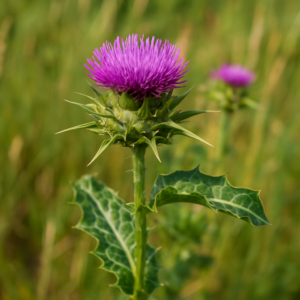
Wildcrafting is more than gathering plants. For many traditions, it is a relationship between the practitioner, the land, and the spirit of the plant itself. Long before herbs were bought in stores or ordered online, people walked forests, mountains, meadows, and riverbanks with respect, knowing that every harvest carried both a gift and a responsibility.
Whether your practice is rooted in folk magic, traditional witchcraft, animism, or simply a deep appreciation for nature, approaching wildcrafting with intention can transform an ordinary walk into a meaningful spiritual experience.
Begin with Permission
One of the oldest customs found throughout the world is asking permission before harvesting. This may seem symbolic to some, but it establishes the proper mindset: you are not taking—you are receiving.
Pause before the plant. Quiet your thoughts. Place a hand over your heart or simply stand still for a few moments. Ask, either aloud or silently, if the plant is willing to be gathered. Many practitioners believe that intuition often provides the answer. Sometimes everything feels right. Other times something tells you to continue walking.
Trust that feeling.
Make an Offering
Many traditional practitioners leave a small offering in exchange for what they receive. The value of the offering is not measured by its cost but by the respect it represents.
Appropriate offerings may include:
- A small pinch of cornmeal or oats
- Fresh spring water poured onto the soil
- A whispered prayer of gratitude
- A strand of natural wool
- Tobacco where it is culturally appropriate
- Returning seeds from previous harvests
- Time spent removing litter from the surrounding area
Avoid leaving coins, crystals, ribbons, or anything that does not naturally belong in the environment.
Harvest with Gratitude
The first cut should never be rushed.
Many traditions speak words of thanks before harvesting. Others simply breathe deeply and acknowledge the life being given. Gratitude reminds us that every medicinal herb, culinary plant, or magical botanical was once a living part of the landscape.
A respectful harvest often feels slower than a practical one.
Never Take the First or Last Plant
A long-standing rule among experienced wildcrafters is to avoid harvesting the very first healthy specimen you encounter and never take the last one growing in an area.
The first plant is often viewed as the guardian or messenger of the patch. The last ensures the population remains healthy for future generations.
This practice also encourages biodiversity and sustainable harvesting.
Take Only What You Need
One of the greatest spiritual disciplines is restraint.
Gather only the amount you realistically expect to use. Large harvests may look impressive, but unused herbs eventually lose potency and often end up discarded. Taking less leaves more for wildlife, pollinators, and future growth.
Many experienced herbalists follow an unwritten rule of harvesting no more than about ten percent of a healthy stand unless they are actively managing the population.
Observe Before You Gather
Spend time watching the place before reaching for your knife or pruning shears.
Notice which insects rely upon the plant. Observe nearby birds. Look at companion species growing together. Feel the direction of the wind and the condition of the soil.
This quiet observation creates familiarity with the ecosystem and often teaches more than any field guide.
Harvest Cleanly
Treat the plant as you would any living thing deserving respect.
Use clean, sharp tools when appropriate. Avoid tearing stems or damaging roots unless root harvest is specifically intended. Leave the area looking as though no one had been there.
Clean harvesting benefits both the remaining plant and the surrounding habitat.
Honor the Spirit of Place
Many landscapes develop their own personality over time.
Old forests, riverbanks, mountain ridges, marshes, and meadows each possess a unique atmosphere that many traditions recognize as the spirit of place. Spend a few quiet moments acknowledging where you are before leaving.
Some practitioners offer a final blessing or simply express thanks to the land itself.
Follow the Seasons
Wildcrafting has always followed nature’s calendar rather than human convenience.
Harvest leaves when they are vigorous, flowers near full bloom, seeds when mature, and roots during their dormant season. Working with the natural cycle is both practical and spiritual, reinforcing the understanding that every living thing has its proper time.
Patience often produces both stronger medicine and a deeper connection.
Keep a Wildcrafting Journal
After returning home, record your experience.
Include the location, weather, moon phase if it is meaningful to your practice, observations about the plant community, your offerings, and anything that stood out during the harvest.
Over the years these journals become more than harvest records—they become personal histories of your relationship with the land.
Leave the Place Better Than You Found It
Perhaps the greatest offering is stewardship.
Remove litter if you find it. Avoid trampling sensitive areas. Stay on established paths where appropriate. Share knowledge about conservation with others.
Respect for the land extends beyond harvesting. It continues long after you have returned home.
A Living Relationship
Wildcrafting is not simply collecting herbs; it is participating in an ancient exchange between humans and the natural world. Every respectful harvest strengthens that relationship. Every offering, every word of gratitude, and every careful decision reinforces the understanding that we are part of nature rather than separate from it.
When approached with humility, patience, and reverence, wildcrafting becomes more than gathering plants—it becomes a lifelong spiritual practice rooted in respect, reciprocity, and gratitude.