Deadheading Flowers: A Simple Gardening Task That Rewards You All Season Long

If you’ve spent any time in a flower garden, you’ve probably heard the term “deadheading.” While it may sound unpleasant, deadheading is one of the easiest and most effective ways to keep flowering plants healthy, attractive, and productive throughout the growing season.
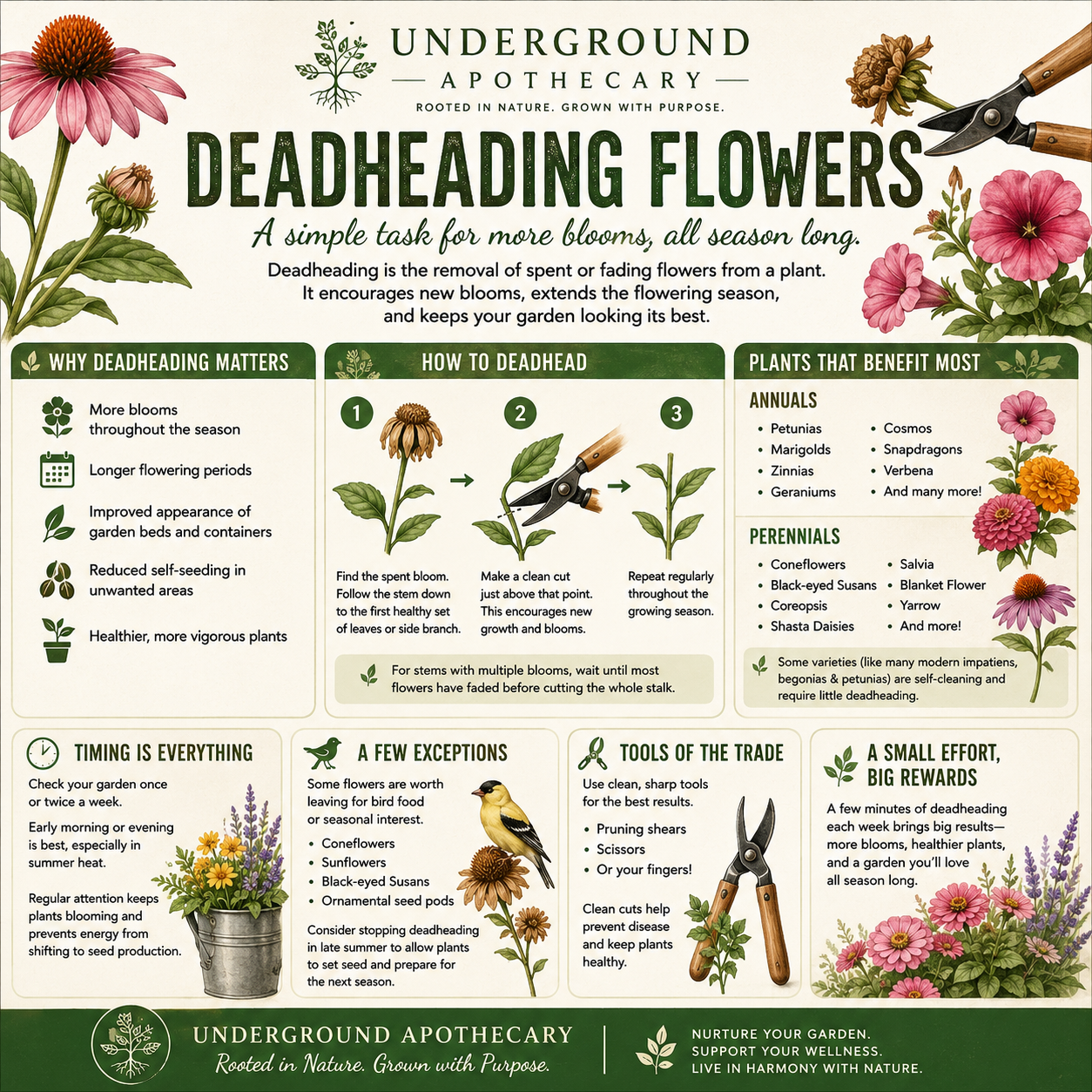
Deadheading is simply the removal of spent or fading flowers from a plant. By cutting away blossoms that have finished blooming, gardeners encourage many plants to redirect their energy toward producing new flowers rather than developing seeds.
Why Deadheading Matters
When a flower completes its life cycle, its natural goal is to produce seed. Once seed production begins, many plants reduce or even stop blooming. By removing spent flowers before seeds develop, you effectively tell the plant that its job isn’t finished yet.
The benefits of deadheading often include:
• More blooms throughout the season
• Longer flowering periods
• Improved appearance of garden beds and containers
• Reduced self-seeding in unwanted areas
• Healthier, more vigorous plants
For gardeners who enjoy continuous color from spring through fall, deadheading can make a remarkable difference.
Which Plants Benefit Most?
Many annual flowers respond exceptionally well to regular deadheading. Petunias, marigolds, zinnias, cosmos, geraniums, and snapdragons often produce significantly more blooms when spent flowers are removed.
Many perennials also benefit from the practice, including:
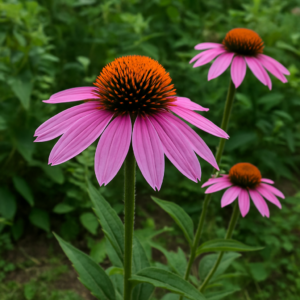
• Coneflowers (Echinacea)
• Black-eyed Susans
• Coreopsis
• Shasta daisies
• Salvia
• Blanket flower (Gaillardia)
• Yarrow
Some plants, however, naturally shed spent blooms and require little maintenance. Modern varieties of impatiens, begonias, and certain petunias are often self-cleaning.
How to Deadhead Properly
The process is simple. Follow the flower stem down to the first healthy set of leaves or side branch and make a clean cut just above that point.
For plants with multiple flowers on a single stem, wait until most blossoms have faded before removing the entire flowering stalk.
Use clean pruning shears, scissors, or simply pinch off faded blooms with your fingers if the stems are soft enough.
Timing Is Everything
A quick walk through the garden once or twice each week is usually enough to stay ahead of fading blooms. Early morning or evening is often the most comfortable time to perform garden maintenance, especially during summer heat.
Regular attention prevents plants from shifting their focus toward seed production and keeps beds looking fresh and vibrant.
A Few Exceptions
Some flowers are worth leaving in place after blooming. Coneflowers, sunflowers, and black-eyed Susans produce seed heads that provide food for birds during late summer and winter. Others develop ornamental seed pods that add seasonal interest to the garden.
Gardeners may choose to stop deadheading in late summer or early autumn, allowing plants to prepare naturally for the coming season.
A Small Effort with Big Results
Deadheading requires only a few minutes each week, yet the rewards can be substantial. More blooms, healthier plants, and a tidier garden are often the result of this simple gardening habit. Whether you’re tending containers on a patio or maintaining a large flower bed, deadheading remains one of the easiest ways to extend the beauty of your garden throughout the gro