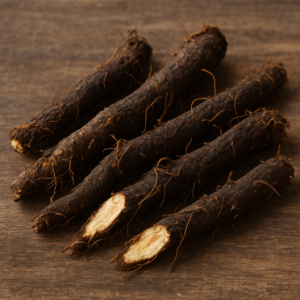
Barberry – The Thorned Keeper of Bitter Strength

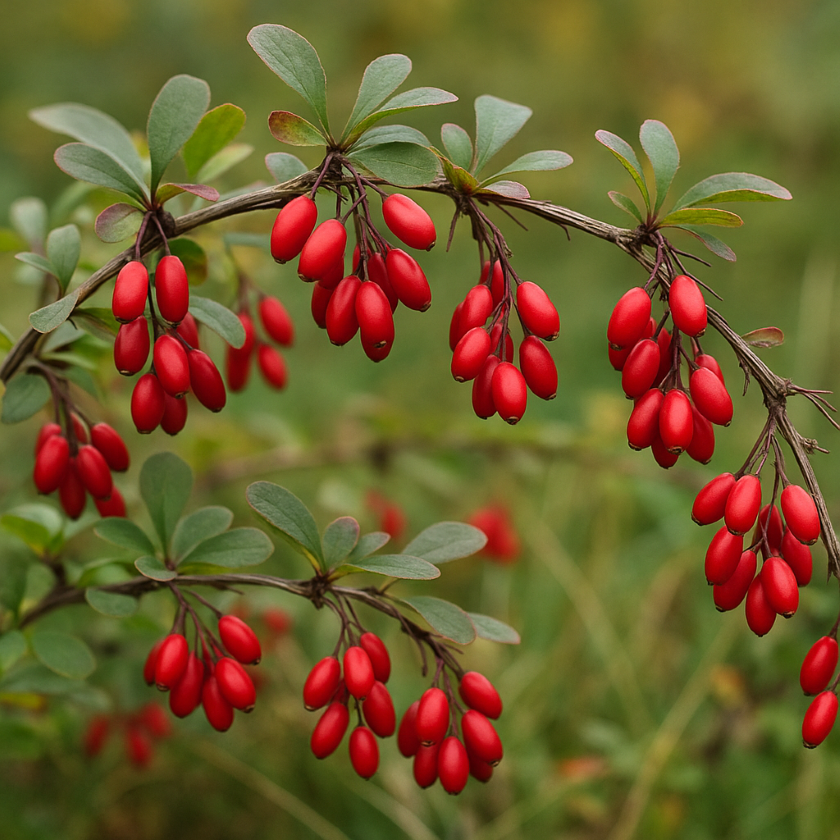
Barberry is a hardy, thorned shrub known for its vivid red berries and sharply serrated leaves. Found across Europe, Asia, and North America, it grows well in poor soils and exposed conditions. The plant is recognized botanically as Berberis vulgaris and has long been valued in traditional herbal practice. Its bark, root, and berries each carry distinct properties, though the root and bark are most often used. Barberry’s intensely bitter nature signals its traditional role as a plant of stimulation and internal balance.
Historical Background and Cultural Significance
Barberry has a long and well-documented history in traditional medicine systems across multiple regions. In European herbalism, it was used as a tonic for the liver and digestive system. Practitioners valued its ability to stimulate function and restore balance in the body. Its use extended into Middle Eastern and Persian traditions, where the berries were also incorporated into food.
The bright red berries became a symbol of vitality and endurance in harsh climates. In some cultures, barberry was planted as a protective hedge due to its dense growth and sharp thorns. Beyond its physical barrier, it carried a reputation as a plant that guarded health and strengthened internal systems.
Traditional and Modern Herbal Uses
Barberry is best known for its role in supporting digestion and liver function. Traditionally, the root bark was prepared in decoctions or tinctures to stimulate bile flow and improve digestive efficiency. Its bitterness activates the body’s natural processes, making it useful in cases of sluggish digestion.
In modern herbal practice, barberry is still used for these purposes, though often with more caution and precision. It is sometimes included in formulas aimed at supporting the liver, gallbladder, and overall digestive health. The berries, while less potent, are used in culinary applications and offer a milder profile.
Barberry is also associated with compounds that have drawn interest for their antimicrobial properties. This has led to its inclusion in certain traditional preparations aimed at maintaining internal balance. Its role, however, remains rooted in digestive and liver support.
Safety Considerations and Disclaimer
Barberry contains potent compounds that require careful use. It should not be used during pregnancy, as it may stimulate uterine activity. High doses or prolonged use may lead to unwanted side effects, especially when using concentrated extracts.
Because of its strength, barberry is best used under the guidance of someone experienced in herbal practice. The root and bark are significantly more potent than the berries and should be handled with greater care.
This information is provided for educational and traditional reference purposes only. It is not intended to diagnose, treat, cure, or prevent any disease. Always consult a qualified healthcare professional before using any herb for medicinal purposes.
Additional Reading
If you have questions, we have answers – contact us here