Chamomile – Gentle Herb of Calm and Light

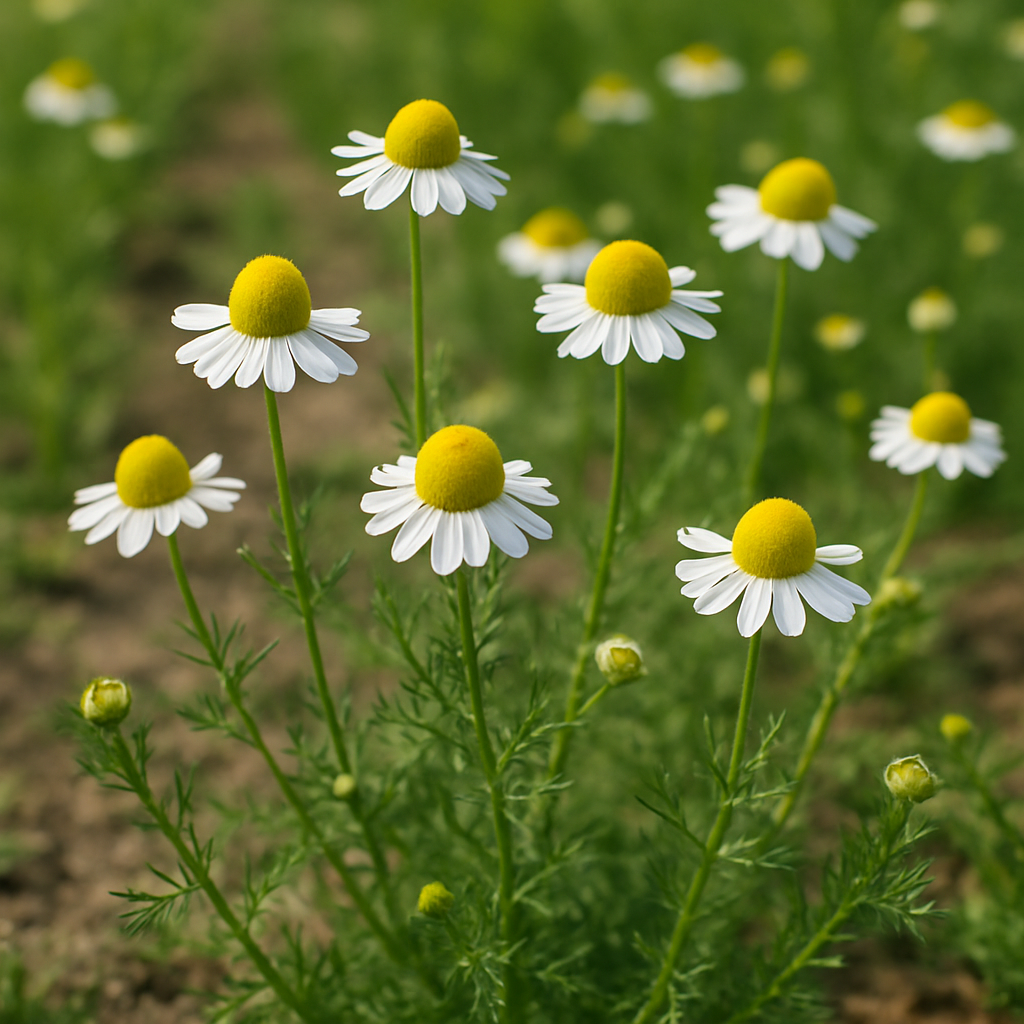
Chamomile, known botanically as Matricaria chamomilla, is a delicate annual herb celebrated for its small, daisy-like flowers and its soft, apple-like fragrance. Growing low to the ground, this plant thrives in full sun and well-drained soil, often reaching heights of one to two feet. Its finely divided, feathery leaves give it a light and airy appearance, while its bright yellow centers and white petals create a striking contrast in gardens and wild fields alike. Blooming from late spring into early autumn, chamomile is often found growing abundantly along roadsides, meadows, and cultivated herb gardens. It is a resilient plant that self-seeds easily, returning season after season when conditions are favorable.
Historical Background and Cultural Significance
Chamomile holds a long-standing place in the herbal traditions of ancient civilizations. The Egyptians revered it as a sacred plant, associating it with the sun and using it in offerings to honor their deities. In ancient Greece, physicians such as Hippocrates and Dioscorides documented its use in early herbal texts, recognizing its value in traditional preparations. Across Europe during the Middle Ages, chamomile was cultivated in monastery gardens and used in a wide range of herbal remedies. It was often referred to as the “plant’s physician” due to the belief that it could improve the health of nearby plants. Over time, chamomile became deeply rooted in folk traditions, valued not only for its practical uses but also for its association with calm, protection, and gentle restoration.
Traditional and Modern Herbal Uses
Chamomile has been widely used in traditional herbal practices, most commonly prepared as a soothing tea made from its dried flowers. Its mild flavor and calming nature have made it a staple in evening rituals and relaxation blends. Historically, it has been associated with supporting restful sleep, easing tension, and promoting overall comfort during periods of stress. Chamomile has also been used in topical preparations such as compresses, oils, and baths, where it was valued for its gentle and cooling qualities. In modern herbal contexts, it continues to be included in teas, tinctures, and wellness products, maintaining its reputation as one of the most approachable and widely recognized herbs in natural practices.
Safety Considerations and Disclaimer
Chamomile is generally regarded as a gentle herb, but it should still be used with awareness. Individuals with allergies to plants in the daisy family may experience sensitivities and should exercise caution. Those who are pregnant, nursing, or taking medications should consult a qualified professional before incorporating chamomile into their routine. As with any botanical, moderation is important, and responses may vary from person to person. This information is provided for educational and traditional purposes only and is not intended to diagnose, treat, cure, or prevent any disease.